
Blog
What Is Carpet? Definition, Purpose, Types, and Uses

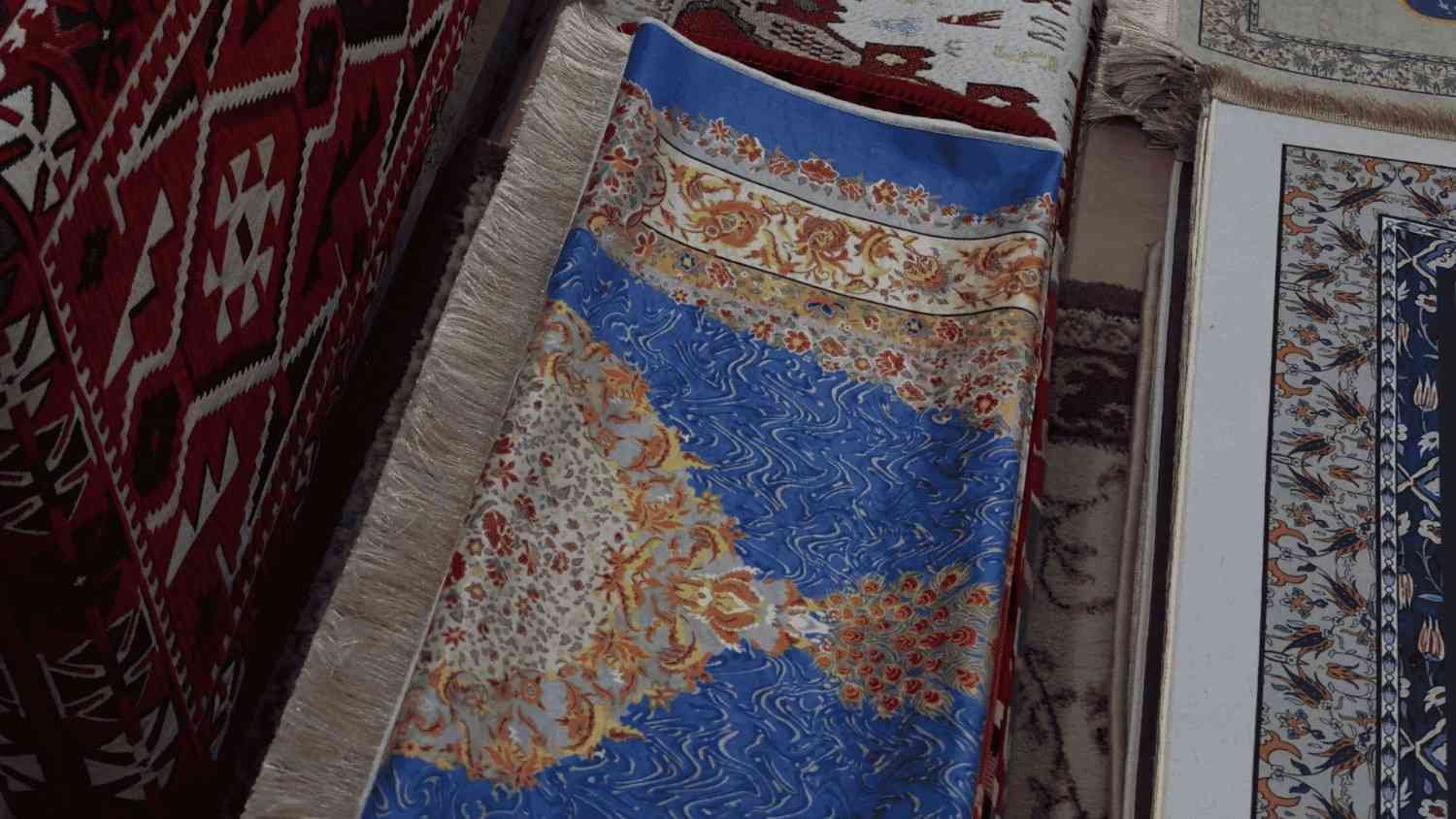
Introduction
If you have ever wondered what is carpet and why it continues to be one of the most popular flooring solutions worldwide, you’re in the right place. A carpet is much more than a decorative floor covering—it enhances comfort, improves interior aesthetics, reduces noise, provides thermal insulation, and creates a warm, inviting atmosphere in both residential and commercial spaces. From cozy homes and modern apartments to hotels, offices, educational institutions, and retail stores, carpets have become an essential part of contemporary interior design.
Today, carpets are available in a wide variety of materials, textures, colors, patterns, and construction methods, making it easier than ever to find the perfect option for different lifestyles and budgets. Whether you are looking for a soft bedroom carpet, a durable office carpet, or a stylish area carpet to complement your living room, understanding the fundamentals of carpets is the first step toward making an informed purchase.
This comprehensive guide explains what is carpet , its definition, purpose, types, common uses, and essential industry terminology. You’ll also learn why carpets remain a preferred flooring choice, how they are used in residential and commercial environments, and how the modern carpet industry continues to evolve through innovative materials, sustainable manufacturing, and advanced production technologies.
Whether you’re a homeowner, interior designer, architect, business owner, or simply researching flooring options, this guide is designed to provide clear, accurate, and practical information. By the end of this article, you’ll have a thorough understanding of carpets and the confidence to choose the right carpet for your space, style, and long-term needs.
What Is Carpet?
A carpet is a textile floor covering made from natural or synthetic fibers that is designed to improve the comfort, appearance, and functionality of indoor spaces. It is used in homes, offices, hotels, educational institutions, and commercial buildings to provide warmth, reduce noise, enhance safety, and complement interior design. Carpets are available in various materials, sizes, colors, textures, and construction methods, allowing them to meet a wide range of residential and commercial flooring needs.
Table of Contents
- What Is Carpet?
- Carpet Definition
- Why Carpets Are Used
- Residential Uses of Carpets
- Commercial Uses of Carpets
- Carpet Terminology and Industry Terms
- Modern Carpet Industry Overview
- Frequently Asked Questions (FAQs)
- Conclusion

What Is Carpet?
A carpet is a textile floor covering designed to improve the comfort, appearance, and functionality of indoor spaces. It is made by weaving, tufting, or knotting natural or synthetic fibers onto a durable backing material, creating a soft and resilient surface for walking, sitting, and everyday living. Carpets have been used for centuries as both practical flooring solutions and decorative interior elements, evolving from handcrafted works of art into modern products available in countless designs, materials, and sizes.
Unlike hard flooring materials such as ceramic tiles, marble, hardwood, or concrete, carpets provide a cushioned surface that makes rooms feel warmer, quieter, and more inviting. Their ability to absorb sound, reduce heat loss, and enhance comfort has made them a preferred flooring option for homes, offices, hotels, educational institutions, healthcare facilities, and commercial buildings around the world.
One of the defining characteristics of a carpet is its versatility. Carpets are manufactured in a wide range of styles, from luxurious hand-knotted Persian carpets to durable machine-made options suitable for high-traffic commercial environments. They are available in various colors, patterns, textures, and pile heights, allowing homeowners, designers, and businesses to choose products that complement different architectural styles and interior design themes.
Modern carpets are produced using both natural fibers, such as wool, cotton, silk, and jute, and synthetic fibers, including nylon, polyester, polypropylene, and acrylic. Each material offers distinct advantages in terms of durability, softness, stain resistance, maintenance, and cost. Selecting the right carpet depends on factors such as room usage, foot traffic, budget, climate, and personal preferences.
Beyond aesthetics, carpets serve several practical purposes. They help protect flooring surfaces from daily wear, provide a safer walking area by reducing the risk of slips, create a more comfortable environment for children and older adults, and contribute to better indoor acoustics by minimizing echoes and footstep noise. In colder climates, carpets also improve thermal insulation by retaining warmth, making living and working spaces more energy efficient and comfortable.
Today, carpets are used in nearly every type of interior environment. Residential properties commonly feature carpets in living rooms, bedrooms, children’s rooms, and family spaces, while commercial settings use specialized carpets in offices, hotels, conference centers, retail stores, educational institutions, and public buildings. Advances in manufacturing technology have also introduced eco-friendly carpet options made from recycled materials, low-emission fibers, and sustainable production processes, reflecting the industry’s commitment to environmental responsibility.
Understanding what a carpet is goes beyond recognizing it as a simple floor covering. A carpet combines functionality, comfort, durability, and design to enhance the overall quality of an interior space. Whether chosen for warmth, safety, noise reduction, or decorative appeal, the right carpet can significantly improve the appearance and usability of a room while providing long-lasting value for homeowners and businesses alike.
Carpet Definition
The word carpet refers to a textile floor covering that is designed to improve the comfort, appearance, safety, and functionality of indoor environments. While the basic concept remains the same, the definition of a carpet can vary depending on the industry or professional perspective. Interior designers focus on aesthetics and space enhancement, manufacturers emphasize materials and construction methods, and consumers often associate carpets with comfort and decoration. Understanding these viewpoints provides a more complete picture of what a carpet is and why it plays an important role in modern homes and commercial spaces.
Carpet Definition in Interior Design
In interior design, a carpet is considered both a functional flooring element and a decorative feature. It helps define living areas, adds texture, introduces color and pattern, and creates visual harmony within a room. A carefully selected carpet can transform the overall atmosphere of a space, making it feel warmer, more inviting, and more luxurious. Designers often use carpets to complement furniture, wall colors, lighting, and architectural styles while improving the balance and flow of an interior.
Carpet Definition in the Textile Industry
From a textile manufacturing perspective, a carpet is a fabric product made by weaving, tufting, knotting, or bonding yarns onto a backing material. These yarns may be produced from natural fibers such as wool, cotton, silk, and jute, or synthetic fibers including nylon, polyester, polypropylene, and acrylic. Manufacturers evaluate carpets based on construction quality, fiber composition, pile height, density, durability, stain resistance, and expected performance under different levels of foot traffic.
Carpet Definition in the Construction Industry
Within the construction and flooring industry, carpets are classified as a finished floor covering installed to improve the functionality and appearance of residential and commercial buildings. They are selected according to the intended use of a space, safety requirements, acoustic performance, thermal insulation, maintenance needs, and long-term durability. Commercial projects often prioritize heavy-duty carpets capable of withstanding constant foot traffic, while residential installations typically emphasize comfort and visual appeal.
Carpet Definition from a Consumer Perspective
For most consumers, a carpet is a soft floor covering that makes a home or workplace more comfortable and attractive. People choose carpets to create a cozy environment, reduce noise, protect hard flooring, improve safety for children and older adults, and enhance the overall style of a room. Purchasing decisions are usually influenced by factors such as material, softness, durability, ease of cleaning, color, pattern, size, and budget.
Carpet Definition in the Retail Industry
Retailers define carpets based on customer needs and product specifications. Carpets are commonly categorized by material, construction method, pile type, design, thickness, size, application, and price range. This classification helps customers compare products and select carpets that match their lifestyle, interior preferences, and functional requirements.
Understanding Carpet Definitions Across Industries
Although the definition of a carpet differs slightly across industries, the core concept remains consistent. A carpet is a textile floor covering that combines practicality with design. It enhances comfort, supports safer movement, improves acoustic and thermal performance, protects flooring surfaces, and contributes to the visual character of a space. Whether viewed through the lens of interior design, manufacturing, construction, retail, or everyday use, carpets continue to be one of the most versatile and widely used flooring solutions in the world.
Carpet Definition Comparison
| Perspective | How a Carpet Is Defined | Primary Focus |
|---|---|---|
| Interior Design | A decorative and functional flooring element that enhances the appearance and atmosphere of a room. | Style, comfort, and aesthetics |
| Textile Industry | A floor covering manufactured from natural or synthetic fibers using various construction techniques. | Materials, fiber quality, and durability |
| Construction Industry | A finished flooring solution installed to improve safety, insulation, and building performance. | Performance, installation, and longevity |
| Retail Industry | A flooring product categorized by material, style, size, and intended application. | Product selection and customer needs |
| Consumer Perspective | A soft floor covering that provides comfort, warmth, and visual appeal. | Everyday comfort and usability |
Why Are Carpets Used?
Carpets have been an integral part of homes, workplaces, and public spaces for centuries because they offer a unique combination of comfort, functionality, safety, and visual appeal. While their primary purpose is to cover and protect flooring surfaces, modern carpets provide many additional benefits that improve the overall quality of indoor environments. Whether installed in a residential living room or a busy commercial office, carpets contribute to comfort, energy efficiency, acoustic performance, and interior aesthetics.
Comfort and Softness
One of the main reasons people choose carpets is the comfort they provide underfoot. Unlike hard flooring materials such as ceramic tiles, marble, or concrete, carpets offer a soft and cushioned surface that makes walking, standing, and sitting more comfortable. This added comfort is particularly valuable in bedrooms, family rooms, children’s play areas, and other spaces where people spend long periods of time. The cushioning effect also helps reduce fatigue, making carpets a practical choice for both homes and workplaces.
Thermal Insulation and Warmth
Carpets act as an additional layer of insulation between the floor and the indoor environment. Their fiber structure traps air, helping to retain heat and create a warmer, more comfortable atmosphere during cooler seasons. This insulating property can also improve energy efficiency by reducing heat loss, which may contribute to lower heating costs in colder climates. Even in tropical regions, carpets provide a comfortable surface underfoot and make air-conditioned rooms feel more inviting.
Noise Reduction and Improved Acoustics
Carpets are highly effective at absorbing sound and minimizing noise transmission. They reduce the impact of footsteps, moving furniture, and everyday activities while helping to decrease echoes within a room. This makes carpets especially beneficial in apartments, offices, hotels, libraries, conference rooms, educational institutions, and multi-story buildings where maintaining a quieter environment enhances comfort and productivity.
Enhanced Safety
Safety is another important reason carpets are widely used. Their soft surface provides better traction than many hard flooring materials, reducing the likelihood of slips and falls. In the event of a fall, carpets also offer a cushioned landing that may lessen the severity of injuries. For households with young children, older adults, or individuals with mobility concerns, carpets can contribute to a safer indoor environment.
Interior Design and Visual Appeal
Carpets play a significant role in interior design by adding texture, color, pattern, and warmth to a space. They help define functional areas within open-plan layouts, create visual balance, and complement furniture, curtains, and decorative elements. Available in a wide range of styles—from minimalist and contemporary to traditional and luxurious—carpets enable homeowners and designers to personalize interiors while enhancing the overall atmosphere of a room.
Floor Protection and Durability
Installing a carpet helps protect the underlying flooring from scratches, stains, and everyday wear. In high-traffic areas, carpets act as a protective layer that extends the lifespan of expensive flooring materials such as hardwood, stone, or tiles. Commercial-grade carpets are specifically engineered to withstand continuous foot traffic while maintaining their appearance and structural integrity over time.
Improved Indoor Comfort
Modern carpets contribute to a more pleasant indoor environment by creating a sense of warmth and relaxation. Soft flooring can make large spaces feel more welcoming, encourage comfortable seating on the floor, and provide a cozy atmosphere for families, guests, employees, and customers. In offices and hospitality settings, this enhanced comfort can positively influence the overall user experience.
Versatility for Residential and Commercial Spaces
Another key advantage of carpets is their versatility. They are available in countless materials, colors, patterns, sizes, and construction styles to suit different environments and design preferences. Plush carpets are ideal for bedrooms and living rooms, while durable low-pile carpets are commonly used in offices, hotels, retail stores, educational institutions, and healthcare facilities. This flexibility allows carpets to meet the functional and aesthetic requirements of almost any indoor space.
Easy Maintenance and Long-Term Value
Advances in carpet manufacturing have produced materials that are more durable, stain-resistant, and easier to maintain than ever before. Regular vacuuming and periodic professional cleaning help preserve a carpet’s appearance and extend its lifespan. When properly selected and maintained, a quality carpet offers long-term value by combining durability, comfort, and attractive design in a single flooring solution.
Why Carpets Continue to Be Popular
The enduring popularity of carpets lies in their ability to combine practical performance with aesthetic appeal. They provide comfort underfoot, improve safety, reduce noise, enhance interior design, protect flooring, and adapt to a wide range of residential and commercial applications. As manufacturing technologies continue to advance, modern carpets are becoming more sustainable, durable, and customizable, ensuring they remain one of the most versatile flooring options for homes and businesses around the world.
Residential Uses of Carpets
Carpets are widely used in residential spaces because they combine comfort, functionality, and visual appeal in a way that few other flooring options can. From modern apartments and family homes to luxury residences and duplex houses, carpets help create warm, welcoming, and practical living environments. Different rooms have different flooring requirements, and choosing the right type of carpet can improve both comfort and the overall appearance of a home.
Living Room
The living room is often the heart of a home, making it one of the most common places to install a carpet. A well-chosen carpet adds warmth, defines the seating area, and creates a comfortable space for family gatherings and entertaining guests. Neutral-colored carpets offer a timeless look, while patterned or textured designs can become a focal point in modern interior décor. Since living rooms usually experience moderate to high foot traffic, durable materials such as nylon, wool, or high-quality polyester are popular choices.
Bedroom
Bedrooms are designed for relaxation, making comfort a top priority. Soft, plush carpets create a cozy atmosphere and provide a warm surface underfoot, especially during cooler mornings. Carpets also help absorb sound, contributing to a quieter and more peaceful sleeping environment. Homeowners often prefer thicker pile carpets in bedrooms because they offer greater softness and a luxurious feel.
Children’s Room and Play Area
Carpets are an excellent flooring option for children’s bedrooms and playrooms. Their soft, cushioned surface provides a safer area for crawling, playing, and everyday activities. Compared to hard flooring, carpets help reduce the impact of accidental falls while creating a comfortable space where children can sit and play. Stain-resistant and easy-to-clean carpets are particularly suitable for families with young children.
Family Room
Family rooms are used for everyday relaxation, movie nights, and quality time together. Installing a comfortable carpet helps create a welcoming environment while reducing noise from footsteps, furniture movement, and daily activities. Durable, stain-resistant materials are recommended for these frequently used spaces, ensuring the carpet maintains its appearance over time.
Dining Room
Although hardwood and tile flooring are common in dining rooms, many homeowners choose carpets to add elegance and improve comfort. Carpets can help reduce noise during meals and create a more refined dining atmosphere. Low-pile carpets are generally preferred because they are easier to clean and allow dining chairs to move more smoothly without damaging the fibers.
Hallways and Staircases
Hallways and staircases experience some of the highest levels of foot traffic within a home. Installing durable carpets in these areas improves safety by providing better grip and reducing the risk of slipping. Stair carpets also help minimize noise while protecting the underlying flooring from daily wear and tear. Low-pile, tightly woven carpets are commonly selected for their durability and ease of maintenance.
Home Office
As remote work becomes increasingly common, many homeowners are creating dedicated office spaces within their homes. Carpets contribute to a quieter and more comfortable working environment by absorbing sound and reducing echoes during meetings or phone calls. Neutral colors and low-maintenance materials help create a professional appearance while remaining practical for everyday use.
Prayer Room
In many households, especially in countries like Bangladesh, dedicated prayer spaces are an important part of the home. Soft carpets provide a clean, comfortable, and respectful surface for daily prayers and meditation. Simple designs and durable materials are often preferred to create a peaceful environment that is easy to maintain.
Apartment and Small Living Spaces
Apartments often have limited floor space, making comfort and noise reduction especially important. Carpets help soften interiors, reduce sound transmission between neighboring units, and make compact spaces feel warmer and more inviting. Choosing lighter colors can also create the illusion of a larger room while complementing modern apartment interiors.
Luxury Homes
Luxury residences frequently use premium carpets to enhance both comfort and visual appeal. High-quality materials such as wool, silk blends, or handcrafted carpets are selected not only for their durability but also for their exceptional texture, intricate designs, and elegant appearance. These carpets often become statement pieces that reflect the homeowner’s personal style while adding sophistication to living spaces.
Choosing the Right Carpet for Residential Spaces
Selecting the ideal residential carpet depends on several factors, including room function, foot traffic, maintenance requirements, lifestyle, and budget. Bedrooms benefit from soft, high-pile carpets that maximize comfort, while hallways, staircases, and family rooms require durable, low-maintenance options capable of withstanding daily use. Material selection is equally important, as natural fibers such as wool offer premium comfort, while synthetic materials like nylon and polyester provide excellent durability and stain resistance.
By understanding how different rooms are used and selecting carpets that match those specific needs, homeowners can create interiors that are comfortable, functional, and visually appealing. A well-chosen carpet not only enhances the beauty of a home but also improves everyday living by providing warmth, safety, and long-lasting performance.
Commercial Uses of Carpets
Carpets are not only popular in residential properties but also play a significant role in commercial environments. Businesses and organizations choose carpets because they enhance comfort, improve acoustics, strengthen brand image, and create professional, welcoming spaces for employees, customers, and visitors. Commercial carpets are specifically engineered to withstand heavy foot traffic, frequent cleaning, and continuous daily use while maintaining their appearance and performance.
Unlike residential carpets, commercial carpets typically feature denser fibers, lower pile heights, and enhanced durability to meet the demands of high-traffic environments. They are available in various materials, colors, patterns, and installation formats, including carpet tiles and wall-to-wall carpeting, making them suitable for a wide range of industries.
Corporate Offices
Modern offices use carpets to create comfortable and productive work environments. Carpet flooring helps reduce noise from footsteps, office equipment, and conversations, making workplaces quieter and more focused. It also contributes to a professional appearance while providing employees with greater comfort throughout the workday. Many businesses choose modular carpet tiles because they are easy to install, replace, and maintain in busy office settings.
Hotels and Resorts
The hospitality industry relies heavily on carpets to create luxurious, welcoming, and comfortable interiors. Hotel lobbies, guest rooms, corridors, banquet halls, and conference facilities often feature carpets that complement the overall interior design while improving guest comfort. In addition to their decorative value, carpets help absorb noise, creating a quieter and more relaxing experience for visitors.
Restaurants and Cafés
Restaurants and cafés use carpets to enhance ambiance and reduce background noise generated by customers, furniture movement, and kitchen activity. Carefully selected carpet designs contribute to the dining experience by creating warm and inviting interiors. Commercial-grade carpets with stain-resistant properties are commonly preferred because they can withstand frequent cleaning and heavy customer traffic.
Retail Stores and Shopping Malls
Retail environments use carpets to improve customer comfort while reinforcing brand identity through carefully selected colors, textures, and patterns. Carpets also help define different shopping areas, guide customer movement, and reduce noise in busy commercial spaces. Durable, easy-to-maintain carpet materials are essential for locations that receive thousands of visitors each day.
Educational Institutions
Schools, colleges, universities, libraries, and training centers often install carpets in classrooms, reading areas, and administrative offices to improve acoustics and create more comfortable learning environments. Carpet flooring minimizes noise caused by footsteps and moving furniture, helping students concentrate while reducing distractions. Modern educational facilities frequently choose durable, low-maintenance carpets designed for heavy daily use.
Hospitals and Healthcare Facilities
Many healthcare environments use carpets in waiting rooms, consultation areas, administrative offices, and rehabilitation spaces to create a calm and welcoming atmosphere. Specialized healthcare carpets are manufactured to meet strict hygiene, safety, and durability standards while supporting regular cleaning and maintenance. They also contribute to noise reduction, helping create quieter environments for patients, visitors, and healthcare professionals.
Conference Centers and Event Venues
Conference halls, exhibition centers, and event venues frequently use carpets to improve acoustics and enhance the overall appearance of large gathering spaces. Carpets reduce echoes and footstep noise, making presentations, meetings, and public events more comfortable for attendees. Their decorative designs also contribute to a professional and sophisticated environment suitable for business and social functions.
Mosques and Places of Worship
Places of worship often use carpets to provide a clean, comfortable, and respectful environment for prayer and community gatherings. Large carpet installations help organize prayer rows while creating a peaceful atmosphere. Durable materials and quality craftsmanship ensure these carpets remain comfortable and visually appealing despite continuous daily use.
Airports and Transportation Hubs
Airports, railway stations, VIP lounges, and business lounges use commercial carpets to improve passenger comfort while reducing noise in busy public areas. Carpet flooring helps create a more relaxed environment, especially in waiting lounges and executive spaces where travelers spend extended periods.
Choosing the Right Commercial Carpet
Selecting the right commercial carpet depends on several important factors, including expected foot traffic, maintenance requirements, safety standards, interior design objectives, and budget. Offices often benefit from modular carpet tiles that allow quick replacement of damaged sections, while hotels and luxury venues may prioritize premium broadloom carpets for a seamless appearance. Educational institutions, hospitals, and retail stores generally require durable, stain-resistant, and easy-to-maintain materials capable of withstanding constant daily use.
Why Businesses Continue to Choose Carpets
Commercial carpets remain one of the most practical flooring solutions because they successfully combine durability, functionality, and visual appeal. They improve workplace comfort, reduce operational noise, enhance interior aesthetics, and help create positive experiences for employees, customers, patients, students, and visitors. As manufacturing technology continues to advance, today’s commercial carpets are also becoming more sustainable, easier to maintain, and better suited to the evolving needs of modern businesses and public institutions.
Carpet Terminology and Industry Terms
Whether you’re purchasing a carpet for your home, comparing products online, or discussing flooring options with a supplier, you’ll often encounter technical terms that describe how a carpet is made and how it performs. Understanding these carpet industry terms helps you evaluate quality, durability, comfort, and suitability for different spaces. The following glossary explains the most common carpet terminology used by manufacturers, retailers, interior designers, and flooring professionals.
Carpet Pile
The pile refers to the visible surface fibers of a carpet—the part you walk on every day. It determines the carpet’s appearance, texture, softness, and overall feel. Depending on the manufacturing method, pile can be cut, looped, or a combination of both. The type of pile significantly influences the carpet’s durability, maintenance requirements, and intended application.
Pile Height
Pile height is the length of the carpet fibers measured from the backing to the tip of the yarn. Low-pile carpets are easier to clean and perform well in high-traffic areas, while medium- and high-pile carpets provide greater comfort and a softer feel underfoot. Choosing the right pile height depends on the room’s purpose and the expected level of daily use.
Cut Pile
Cut pile carpets are created by cutting the loops of yarn, resulting in upright fibers with a soft and comfortable texture. This construction is commonly used in bedrooms, living rooms, and luxury residential spaces where comfort is a priority. Popular cut pile styles include plush, Saxony, frieze, and textured carpets.
Loop Pile
Loop pile carpets are made by leaving the yarn loops uncut during manufacturing. These carpets are known for their durability and resistance to wear, making them an excellent choice for offices, schools, hotels, hallways, and other high-traffic environments. Berber carpet is one of the best-known examples of loop pile construction.
Cut and Loop Pile
Some carpets combine both cut and loop fibers to create decorative patterns and unique textures. This construction offers visual depth while maintaining a balance between comfort and durability. Cut-and-loop carpets are widely used in modern residential and commercial interiors.
Carpet Backing
The backing forms the structural foundation of a carpet and holds the fibers securely in place. Primary backing anchors the yarn during manufacturing, while secondary backing adds strength, dimensional stability, and durability. High-quality backing improves the carpet’s lifespan and overall performance.
Carpet Density
Density describes how closely the carpet fibers are packed together. A carpet with higher density generally feels firmer, resists crushing more effectively, and maintains its appearance longer under regular foot traffic. Density is often considered one of the most important indicators of carpet quality.
Face Weight
Face weight refers to the amount of carpet fiber contained in one square yard, usually measured in ounces. Although a higher face weight often indicates a thicker carpet, it should be evaluated alongside density, pile height, and fiber quality rather than used as the sole measure of durability.
Carpet Fiber
Carpet fiber is the material from which the yarn is manufactured. Common natural fibers include wool, cotton, silk, and jute, while synthetic options include nylon, polyester, polypropylene (olefin), and acrylic. Each fiber type offers different characteristics in terms of softness, resilience, stain resistance, maintenance, and cost.
Yarn
Yarn is the twisted strand of fibers used to create the carpet surface. The quality, twist level, and construction of the yarn influence the carpet’s texture, durability, appearance retention, and resistance to matting over time.
Tufting
Tufting is one of the most widely used carpet manufacturing methods. During this process, needles insert yarn into a backing material to create the carpet pile. Tufted carpets are efficient to produce and are available in a broad range of designs, making them one of the most popular flooring choices worldwide.
Weaving
Weaving is a traditional carpet manufacturing technique in which warp and weft yarns are interlaced to create a durable and often premium-quality carpet. Woven carpets are valued for their strength, craftsmanship, and long service life, particularly in luxury and handcrafted collections.
Hand-Knotted Carpet
A hand-knotted carpet is produced by tying individual knots manually onto the foundation of the carpet. This labor-intensive process requires exceptional craftsmanship and can take months—or even years—to complete. Hand-knotted carpets are renowned for their durability, intricate patterns, and artistic value, making them highly sought after in the luxury market.
Machine-Made Carpet
Machine-made carpets are manufactured using advanced automated equipment that enables consistent quality and efficient production. They are available in a wide variety of designs, colors, and materials, offering an affordable and practical solution for both residential and commercial applications.
Warp and Weft
In woven carpets, warp refers to the vertical foundation threads, while weft refers to the horizontal threads woven across them. Together, they create the structural framework that supports the carpet’s knots or pile and contributes to its overall strength and stability.
Binding
Binding is the process of finishing the edges of a carpet to prevent fraying and extend its lifespan. It also gives the carpet a neat, professional appearance. Area rugs and custom-sized carpets commonly feature bound edges for improved durability.
Underlay (Carpet Padding)
An underlay, also known as carpet padding, is installed beneath the carpet to provide additional cushioning, improve comfort, enhance insulation, reduce noise, and extend the life of the carpet. Choosing the correct underlay can significantly improve both performance and walking comfort.
Broadloom Carpet
Broadloom carpet is manufactured in wide rolls and is typically installed wall-to-wall in homes, offices, hotels, and commercial buildings. It provides a seamless appearance and is a popular choice for large interior spaces.
Carpet Tile
Carpet tiles are modular square sections of carpet designed for easy installation and replacement. They are commonly used in commercial offices, educational institutions, airports, and retail spaces because damaged sections can be replaced individually without removing the entire floor covering.
Stain Resistance
Stain resistance refers to a carpet’s ability to resist spills and prevent liquids from penetrating the fibers. Modern synthetic carpets often incorporate advanced stain-resistant treatments that make cleaning easier and help maintain their appearance over time.
Carpet Wear Rating
The wear rating indicates how well a carpet is expected to perform under different levels of foot traffic. Manufacturers typically classify carpets as light, medium, heavy, or extra-heavy residential, as well as commercial grade, helping buyers choose the most suitable product for their intended application.
Why Understanding Carpet Terminology Matters
Learning carpet terminology allows homeowners, designers, architects, and business owners to make more informed purchasing decisions. Understanding concepts such as pile height, density, fiber type, backing, and construction methods helps buyers compare products accurately and select carpets that match their comfort preferences, maintenance expectations, budget, and long-term performance requirements. Whether purchasing a carpet for a bedroom, office, hotel, or commercial facility, familiarity with these industry terms ensures greater confidence and better value for every investment.
Modern Carpet Industry Overview
The carpet industry has undergone significant transformation over the past century, evolving from traditional handcrafted production into a highly advanced global manufacturing sector. Today, carpets are no longer viewed solely as decorative floor coverings; they are engineered products that combine innovative materials, modern production techniques, sustainability initiatives, and contemporary design to meet the changing needs of residential, commercial, and industrial environments.
With growing demand for durable, stylish, and environmentally responsible flooring solutions, manufacturers continue to invest in research, automation, and material innovation. Modern carpets are designed to offer superior comfort, enhanced durability, easier maintenance, and improved environmental performance while accommodating diverse architectural styles and interior design trends.
Growth of the Global Carpet Industry
The global carpet industry serves millions of residential and commercial customers every year. Increasing urbanization, expanding construction projects, rising disposable incomes, and growing interest in interior decoration continue to drive demand for carpets across homes, offices, hotels, educational institutions, healthcare facilities, and retail spaces.
Today’s consumers are looking for flooring solutions that combine aesthetics with practicality. As a result, manufacturers have expanded their product ranges to include carpets in various textures, colors, patterns, materials, and performance levels, allowing customers to find products that suit both functional requirements and personal design preferences.
Advances in Carpet Manufacturing
Modern carpet production has become increasingly automated while maintaining high standards of quality and consistency. Advanced weaving, tufting, dyeing, and finishing technologies enable manufacturers to produce carpets with precise patterns, improved durability, and enhanced stain resistance.
Computer-controlled manufacturing systems also allow for greater design flexibility, enabling companies to create customized carpets for residential properties, commercial buildings, hospitality projects, and public spaces. Automation improves production efficiency while maintaining consistent quality across large manufacturing volumes.
Sustainable and Eco-Friendly Carpets
Sustainability has become one of the most important priorities within the modern carpet industry. Many manufacturers now focus on reducing environmental impact by adopting cleaner production methods, improving energy efficiency, and minimizing manufacturing waste.
Eco-friendly carpets are increasingly produced using recycled materials, renewable fibers, and low-emission manufacturing processes. Some carpets incorporate recycled plastic bottles or regenerated synthetic fibers, helping reduce waste while maintaining durability and performance. Natural materials such as wool, jute, sisal, and cotton also remain popular choices for consumers seeking environmentally conscious flooring solutions.
In addition, many modern carpets are designed to improve indoor environmental quality by using low-VOC (volatile organic compound) materials that contribute to healthier indoor spaces.
Smart Technology in Carpet Design
Technology continues to reshape the carpet industry beyond manufacturing. Digital design software allows manufacturers to create highly detailed patterns, realistic textures, and customized color combinations that were previously difficult to produce.
Artificial intelligence (AI), computer-aided design (CAD), and digital visualization tools help designers predict color trends, optimize production planning, and develop collections tailored to changing customer preferences. These technologies also make it easier for businesses to offer personalized carpet solutions for residential and commercial projects.
Changing Consumer Preferences
Modern consumers expect carpets to deliver more than comfort and visual appeal. Durability, stain resistance, easy maintenance, sustainability, and long-term value have become major purchasing considerations.
There is also increasing demand for minimalist designs, neutral color palettes, textured finishes, and versatile carpets that complement a wide range of interior styles. Modular carpet tiles continue to gain popularity in commercial spaces because they simplify installation, maintenance, and replacement while reducing material waste.
The Carpet Industry in Bangladesh
Bangladesh has experienced steady growth in its construction, real estate, hospitality, and interior design sectors, leading to increased demand for high-quality carpets. Residential apartments, corporate offices, hotels, educational institutions, and commercial buildings are increasingly incorporating carpets to enhance comfort and improve interior aesthetics.
Consumers in Bangladesh now have access to a wider selection of locally available and imported carpets, including modern machine-made carpets, luxury area rugs, office carpets, prayer carpets, and premium handcrafted designs. The continued expansion of e-commerce has also made it easier for customers to compare products, explore new styles, and purchase carpets online.
Online Carpet Shopping and Digital Retail
The growth of digital commerce has significantly changed how customers research and purchase carpets. Online platforms allow buyers to compare materials, colors, sizes, prices, and customer reviews before making a purchasing decision.
Many retailers now offer detailed product specifications, high-resolution images, virtual room visualization tools, and expert buying guides that help customers select the right carpet without visiting a physical showroom. This digital transformation has improved accessibility while giving consumers more confidence during the buying process.
Future Trends in the Carpet Industry
The future of the carpet industry is expected to be shaped by innovation, sustainability, and customer-focused design. Manufacturers continue to develop carpets that are lighter, more durable, easier to recycle, and simpler to maintain without compromising comfort or appearance.
Emerging trends include environmentally responsible materials, advanced stain-resistant technologies, antimicrobial treatments, recyclable carpet systems, and greater product customization. As smart manufacturing and digital technologies continue to evolve, consumers can expect carpets that combine attractive design with improved performance, longer service life, and reduced environmental impact.
Why the Modern Carpet Industry Continues to Grow
The continued success of the carpet industry reflects its ability to adapt to changing lifestyles, technological advancements, and environmental expectations. Modern carpets provide much more than decorative flooring—they contribute to comfort, safety, acoustic performance, energy efficiency, and interior design while embracing sustainable manufacturing practices and innovative technologies.
Whether used in homes, offices, hotels, healthcare facilities, or educational institutions, carpets remain an essential component of modern interior spaces. As manufacturers continue to invest in quality, innovation, and environmental responsibility, the carpet industry is well positioned to meet the evolving needs of customers around the world for many years to come.
How to Choose the Right Carpet
Selecting the right carpet involves more than choosing a color or pattern. A quality carpet should match the purpose of the room, complement the overall interior design, fit your budget, and provide long-term durability. Since carpets are available in various materials, pile types, construction methods, and designs, understanding the key selection factors will help you make a confident and informed decision.
Whether you are furnishing a new home, renovating an office, or upgrading a commercial space, considering the following factors will help you choose a carpet that balances comfort, performance, and visual appeal.
Consider the Purpose of the Room
The first step in choosing a carpet is understanding where it will be installed. Every room has different functional requirements, and the ideal carpet should be selected accordingly.
For example, bedrooms benefit from soft and plush carpets that create a warm and relaxing atmosphere, while living rooms require carpets that combine comfort with durability. Hallways, staircases, and family rooms experience heavier foot traffic and therefore require low-pile, resilient carpets that can withstand everyday use. Commercial spaces such as offices, hotels, and retail stores generally require heavy-duty carpets designed for long-lasting performance.
Choose the Right Carpet Material
The material of a carpet has a direct impact on its comfort, durability, maintenance, and lifespan.
Natural fibers such as wool offer exceptional softness, insulation, and luxury, making them ideal for premium residential interiors. Cotton and jute provide natural aesthetics but are better suited to lighter use.
Synthetic materials—including nylon, polyester, polypropylene, and acrylic—are popular because they are durable, stain-resistant, affordable, and easy to maintain. Each material has unique characteristics, so understanding their strengths will help you choose the most suitable option for your space.
Select an Appropriate Pile Height
Pile height refers to the length of the carpet fibers and significantly influences both appearance and performance.
High-pile carpets provide superior softness and comfort, making them an excellent choice for bedrooms and relaxation areas. Medium-pile carpets offer a balance between comfort and durability, making them suitable for living rooms and family spaces. Low-pile carpets are easier to clean and better suited for hallways, offices, schools, and commercial environments where heavy foot traffic is expected.
Match the Carpet with Your Interior Design
A carpet should complement the overall design of your room rather than compete with it. Consider wall colors, furniture, lighting, curtains, and decorative accessories when selecting carpet colors and patterns.
Neutral shades such as beige, grey, cream, and soft brown create timeless interiors and work well with changing décor styles. Bold colors and patterned carpets can become statement features that add personality and visual interest to modern spaces.
Evaluate Durability and Foot Traffic
Not every carpet is designed for the same level of use. Areas with frequent foot traffic require carpets that can maintain their appearance over many years.
High-density carpets made from durable fibers generally perform better in busy environments because they resist crushing, matting, and wear. Bedrooms and guest rooms may prioritize softness, while offices and commercial buildings should prioritize long-term durability.
Consider Maintenance Requirements
Every carpet requires regular care, but maintenance needs vary depending on the material and construction.
If you have children, pets, or a busy household, choosing stain-resistant and easy-to-clean carpets can significantly reduce maintenance efforts. Regular vacuuming and occasional professional cleaning will help preserve the carpet’s appearance and extend its lifespan regardless of the material selected.
Think About Your Lifestyle
Your daily lifestyle should influence your carpet selection.
Families with young children often prefer durable, stain-resistant carpets that can withstand spills and active play. Pet owners may benefit from low-pile carpets that are easier to clean and less likely to trap pet hair. Homeowners seeking luxury and comfort may choose thicker wool carpets, while businesses typically prioritize practicality, durability, and ease of maintenance.
Set a Realistic Budget
Carpets are available across a wide price range, making it important to establish a budget before purchasing.
The least expensive option is not always the most economical in the long term. Investing in a high-quality carpet with better durability and longer service life can reduce replacement costs and provide greater value over time. Consider installation, underlay, and maintenance expenses in addition to the purchase price when comparing products.
Consider Climate and Local Conditions
Climate can influence carpet performance and comfort.
In countries such as Bangladesh, where temperatures and humidity vary throughout the year, selecting breathable materials and ensuring proper room ventilation can help maintain the carpet’s condition. Moisture-resistant materials may be preferable in humid environments, while thicker carpets can improve comfort in air-conditioned rooms during warmer months.
Seek Professional Advice
If you are uncertain about which carpet best suits your needs, consulting an experienced flooring specialist or interior designer can be highly beneficial. Professionals can recommend appropriate materials, pile types, colors, and installation methods based on your room, lifestyle, and budget. Their guidance can help you avoid costly mistakes and ensure that your investment delivers long-term satisfaction.
Final Tips Before Buying a Carpet
Before making a purchase, compare multiple options rather than selecting the first carpet you see. Examine the fiber material, pile height, density, backing quality, warranty, and maintenance requirements. If possible, request samples to see how different colors and textures look under your room’s lighting conditions.
The right carpet should provide a balance of comfort, durability, functionality, and style. By carefully considering your room’s purpose, expected foot traffic, maintenance needs, and design preferences, you can confidently choose a carpet that enhances your interior while delivering lasting performance and value.
Frequently Asked Questions (FAQs)
1. What is a carpet?
A carpet is a textile floor covering made from natural or synthetic fibers that provides comfort, insulation, safety, and decorative appeal. It is widely used in homes, offices, hotels, educational institutions, and commercial buildings to improve both the functionality and appearance of interior spaces.
2. What is the main purpose of a carpet?
The primary purpose of a carpet is to create a comfortable and attractive flooring surface. Carpets also help reduce noise, improve thermal insulation, protect the underlying floor, enhance safety by minimizing slips, and contribute to a warmer, more inviting indoor environment.
3. What are carpets made from?
Carpets are manufactured using both natural and synthetic fibers. Natural materials include wool, cotton, silk, and jute, while synthetic materials include nylon, polyester, polypropylene (olefin), and acrylic. Each material offers different levels of durability, softness, stain resistance, and maintenance requirements.
4. What is the difference between a carpet and a rug?
A carpet usually covers a large portion of a floor or an entire room and may be installed wall-to-wall, whereas a rug is typically a movable floor covering that covers only a specific area. Rugs are often used to define spaces or add decorative accents, while carpets are commonly selected as a primary flooring solution.
5. Where are carpets commonly used?
Carpets are commonly used in living rooms, bedrooms, children’s rooms, offices, hotels, restaurants, educational institutions, healthcare facilities, retail stores, conference centers, and places of worship. Different carpet types are designed to suit the requirements of different environments.
6. Which carpet material is the most durable?
Nylon is widely regarded as one of the most durable carpet fibers because it resists wear, crushing, and heavy foot traffic. Wool is also highly durable while providing exceptional comfort and insulation. The best material ultimately depends on the intended application, budget, and maintenance preferences.
7. Which carpet is best for a bedroom?
Bedrooms generally benefit from soft, comfortable carpets with a medium or high pile. Materials such as wool and high-quality polyester are popular choices because they provide warmth, cushioning, and a cozy atmosphere suitable for relaxation.
8. Which carpet is best for commercial spaces?
Commercial environments usually require low-pile, high-density carpets made from durable synthetic fibers. Carpet tiles and commercial-grade broadloom carpets are commonly selected because they withstand heavy foot traffic, are easy to maintain, and offer long-term performance.
9. How long does a carpet last?
The lifespan of a carpet depends on its material, construction quality, maintenance, and level of use. A well-maintained quality carpet can provide many years of reliable performance, while carpets installed in high-traffic commercial environments may require replacement sooner than those in lightly used residential spaces.
10. How should carpets be cleaned?
Routine vacuuming removes dust and debris, while prompt spot cleaning helps prevent permanent stains. Periodic deep cleaning, following the manufacturer’s care instructions or using professional cleaning services when appropriate, helps maintain the carpet’s appearance and extend its lifespan.
11. Are carpets suitable for homes with children and pets?
Yes. Many modern carpets are designed with stain-resistant and durable fibers that perform well in family homes. Choosing a carpet that is easy to clean and appropriate for the level of household activity can help maintain its appearance over time.
12. Are carpets environmentally friendly?
Many manufacturers now produce carpets using recycled materials, renewable fibers, and lower-emission manufacturing processes. Consumers seeking environmentally responsible options can look for products made with sustainable materials and produced under recognized environmental standards.
13. What should I consider before buying a carpet?
Before purchasing a carpet, consider the room’s purpose, expected foot traffic, fiber material, pile height, durability, maintenance requirements, design preferences, and budget. Comparing these factors will help you select a carpet that meets both your functional needs and aesthetic goals.
14. Can carpets improve indoor comfort?
Yes. Carpets contribute to a more comfortable indoor environment by providing a soft walking surface, reducing noise, improving insulation, and creating a warmer, more inviting atmosphere. These qualities make carpets a popular flooring choice for both residential and commercial interiors.
15. Why are carpets still popular today?
Carpets remain popular because they combine comfort, functionality, durability, and design flexibility. Modern carpets are available in a wide variety of materials, styles, and colors, making them suitable for homes, offices, hotels, educational institutions, and many other indoor spaces. Continuous innovation in manufacturing and sustainable materials has further strengthened their appeal among today’s consumers.
Conclusion
Understanding what is carpet is the first step toward choosing a flooring solution that enhances both comfort and functionality. As explored throughout this guide, a carpet is much more than a decorative floor covering. It provides warmth, improves indoor comfort, reduces noise, protects flooring, enhances safety, and adds character to residential and commercial spaces alike.
From understanding the carpet definition and learning why carpets are used to exploring residential and commercial applications, industry terminology, and the evolution of the modern carpet industry, it is clear that carpets continue to play an essential role in contemporary interior design. Advances in manufacturing technology, innovative materials, and sustainable production methods have made today’s carpets more durable, stylish, and practical than ever before.
Choosing the right carpet requires careful consideration of several factors, including the intended room, foot traffic, material, pile height, maintenance requirements, and overall design preferences. Whether you are selecting a soft carpet for a bedroom, a durable option for a busy office, or a stylish floor covering for a hospitality or retail environment, understanding these fundamentals will help you make an informed decision that delivers long-term value.
As the flooring industry continues to evolve, carpets remain one of the most versatile solutions available for homes, businesses, educational institutions, healthcare facilities, and public spaces. Their ability to combine comfort, performance, and visual appeal ensures they remain a preferred flooring choice across a wide range of applications.
If you’re planning to purchase a carpet or expand your knowledge, continue exploring our carpet resource center. You can learn more about types of carpets, carpet materials, carpet vs. rug, how carpets are made, carpet maintenance, and modern carpet trends to help you choose the ideal flooring solution for your specific needs.
A well-informed decision starts with understanding the basics. By knowing what a carpet is, how it is constructed, where it is used, and what factors influence its quality and performance, you will be better prepared to select a carpet that combines beauty, comfort, durability, and long-lasting value for any interior space.
Looking for premium floor coverings? Explore our Premium Rugs in Bangladesh collection to discover high-quality rugs and carpets suitable for homes, offices, hotels, and commercial spaces.
For Interior Guide – Knock on Whatsapp on Corporate Luxe